
Why Zenera
The strategic case for a Meta-Agent platform in an enterprise AI stack.
The 2026 AI Landscape
The AI industry has completed a decisive shift: agents that act, not chatbots that talk. Enterprises evaluating their AI strategy face three categories of solutions:
| Category | Examples | Strengths | Limitations |
|---|---|---|---|
| Open-source agents | OpenClaw, autonomous coding bots | Free, self-hosted, customizable | No governance, high security risk, manual maintenance, developer-only |
| Managed agent SaaS | Manus DeepResearch, enterprise AI assistants | Zero setup, high accuracy, polished UX | No data sovereignty, subscription fees, black-box logic, fixed architecture |
| Vertical AI products | SmartLex (legal), SmartFlow (finance) | Domain expertise, compliant by design | Single-purpose, vendor lock-in per domain, limited customization |
Each category solves part of the problem. None solves the whole problem.
What's Missing
Open-source agents: Power without safety
Open-source agents like OpenClaw give developers root-level access to autonomous systems. Powerful - and dangerous:
- No enterprise governance - No RBAC, no audit logs, no approval workflows
- Security nightmares - Root access in Docker containers, manual maintenance of skill modules
- Developer-only - Business users cannot interact with or benefit from these systems
- Manual orchestration - Building multi-agent systems requires hand-wiring every connection
"OpenClaw is the “wild west” of agents. Unbeatable for a dev team automating CI/CD. Unacceptable for enterprise-wide deployment."
Managed SaaS agents: Polish without sovereignty
Managed agents like Manus deliver enterprise-grade research with zero setup. But the tradeoffs are fundamental:
- Your data in their cloud - Proprietary information leaves your network with every query
- Fixed architecture - You use the agent as designed, or you don't use it. No customization.
- Subscription dependency - Monthly fees, vendor lock-in, and feature roadmaps you don't control
- Opaque reasoning - Black-box logic that regulated industries cannot audit
"Manus is plug-and-play. But for regulated industries, “plug-and-pray” is not an option."
Vertical AI products: Depth without breadth
Domain-specific AI agents are excellent at their niche. But enterprises don't have one niche:
- One vendor per department - Legal gets SmartLex, finance gets SmartFlow, engineering gets something else. Each with separate billing, separate governance, separate data silos.
- Limited customization - The vendor's model of “legal work” may not match yours
- No cross-domain intelligence - Your legal agent and finance agent can't collaborate on a contract-finance workflow
- Vendor-managed models - You can't fine-tune on your data or integrate with your knowledge bases
"Vertical agents solve the last mile. They don’t solve the platform problem."
Zenera: The Category-Defining Difference
Zenera occupies a category that doesn't exist in the landscape above. It is not an agent. It is not a tool. It is not a vertical product.
Zenera is a platform that creates agents.
| Capability | Open-Source | Managed SaaS | Vertical AI | Zenera |
|---|---|---|---|---|
| What you get | One autonomous agent | One research agent | One domain agent | A factory that builds agent systems |
| Customization | Write Python skills | Configuration only | Limited | Meta-Agent generates everything |
| Multi-agent | Manual orchestration | Fixed internal | Single agent | Generated per use case |
| Data sovereignty | Full (ungoverned) | None (cloud) | Varies | Full (governed) |
| UI | Chat only | Workspace | Domain-specific | Dynamic per-agent UI |
| Governance | None | SaaS compliance | Vendor-dependent | Native RBAC, audit, traceability |
| Deployment | Self-hosted | Cloud only | Varies | Anywhere: laptop to air-gapped DC |
| Learning | Manual | Opaque | Vendor-managed | Automatic fine-tuning from production |
| Integration | Hand-coded | Pre-built | Pre-built | Self-coding + MCP + A2A |
| Target user | Developers | Business analysts | Domain specialists | Everyone: the Meta-Agent meets you where you are |
Against Open-Source
Structure Without Sacrifice - Zenera delivers the same self-hosted, privacy-first flexibility as open-source agents, but with:
- Guardrails by default - Generated agents run in sandboxed containers with strict resource limits and network policies. No root access nightmares.
- No DevOps PhD required - The Meta-Agent handles the wiring. No Docker configs, no cron jobs, no hand-built skill modules.
- Built-in governance - The RBAC, audit logs, and approval workflows that open-source agents explicitly lack are native to Zenera.
- Self-coding integrations - Where open-source requires hand-written Python skills, Zenera agents synthesize and validate integration code at runtime.
Against Managed SaaS
Sovereignty Without Compromise - Zenera delivers enterprise-grade reliability on your terms:
- Deploy anywhere - MacBook, private Kubernetes, air-gapped data center. Not someone else's cloud.
- Full data sovereignty - Your data never leaves your network. No subscriptions. No vendor lock-in.
- Not one agent - many - Zenera creates entire multi-agent ecosystems purpose-built for your domain.
- Transparent reasoning - Every decision is traced, logged, and explainable. No black-box logic.
Against Vertical Products
One Platform, Every Domain - Instead of buying separate AI products for each department:
- Build your own vertical agents - with domain data you already own, compliance requirements you already understand, and governance policies you already enforce
- Cross-domain intelligence - Agents from different departments can collaborate on shared workflows
- Single governance model - One platform, one audit trail, one compliance posture
- Continuous improvement - Fine-tune on your own production data, not the vendor's generic training set
"Zenera is not competing with vertical AI agents. It is the platform that creates them."
The Meta-Agent Advantage
The decisive capability gap: neither open-source agents, managed SaaS, nor vertical products can build other agents. Zenera can.
This single capability changes the economics of enterprise AI:
| Traditional Approach | Zenera Approach |
|---|---|
| Hire AI engineers to design agent systems | Meta-Agent designs them from business requirements |
| Hand-wire multi-agent orchestration | Meta-Agent generates verified architectures |
| Hope prompts are consistent | Meta-Agent proves semantic coherence before deployment |
| React to production failures | Meta-Agent predicts failures via trajectory simulation |
| Manual A/B testing and optimization | Automated trajectory-driven continuous improvement |
| Months to deploy, weeks to modify | Hours to deploy, minutes to modify |
The Strategic Bet
Zenera is architected around three bets about the future of enterprise AI:
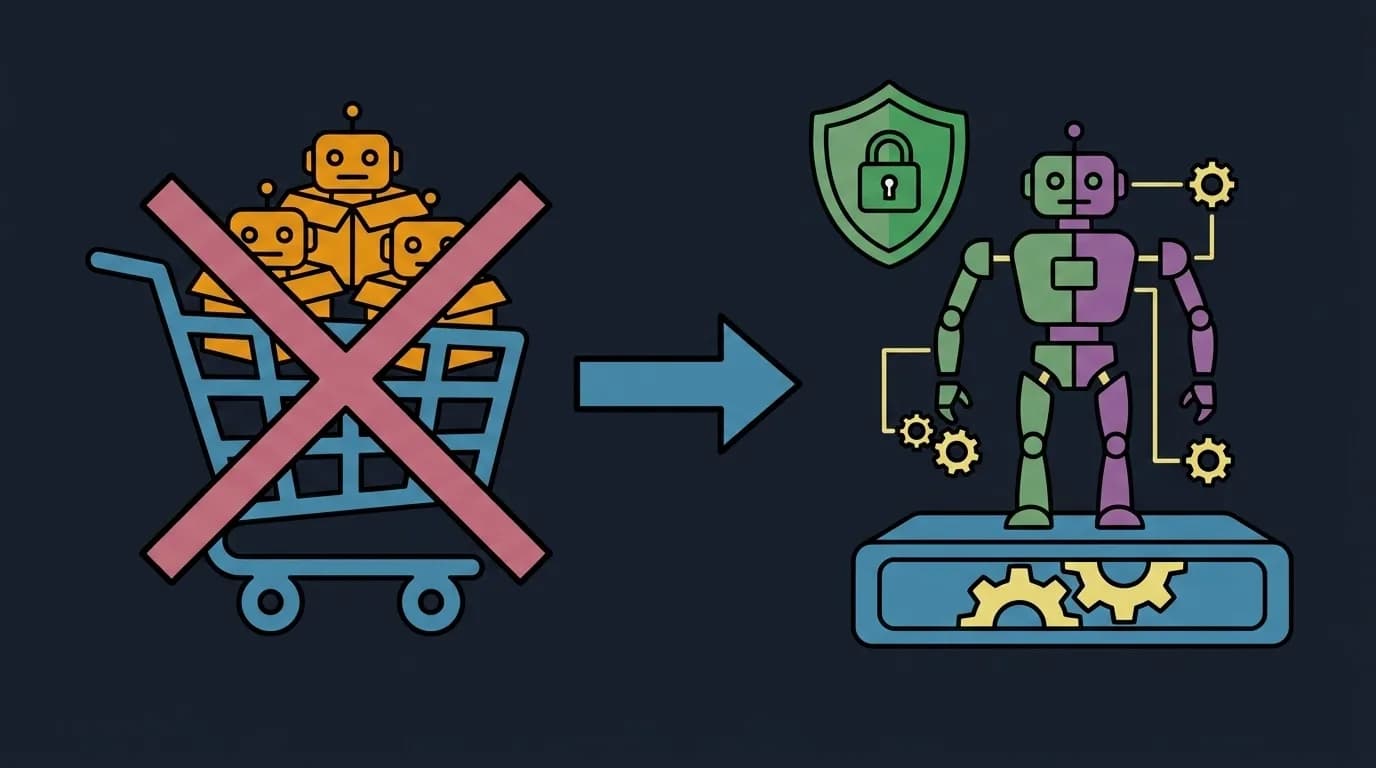
Agents will be infrastructure, not products
Today, enterprises buy AI agents. Tomorrow, they will build AI agents the way they build internal applications - on a platform, with governance, tailored to their needs. Zenera is that platform.
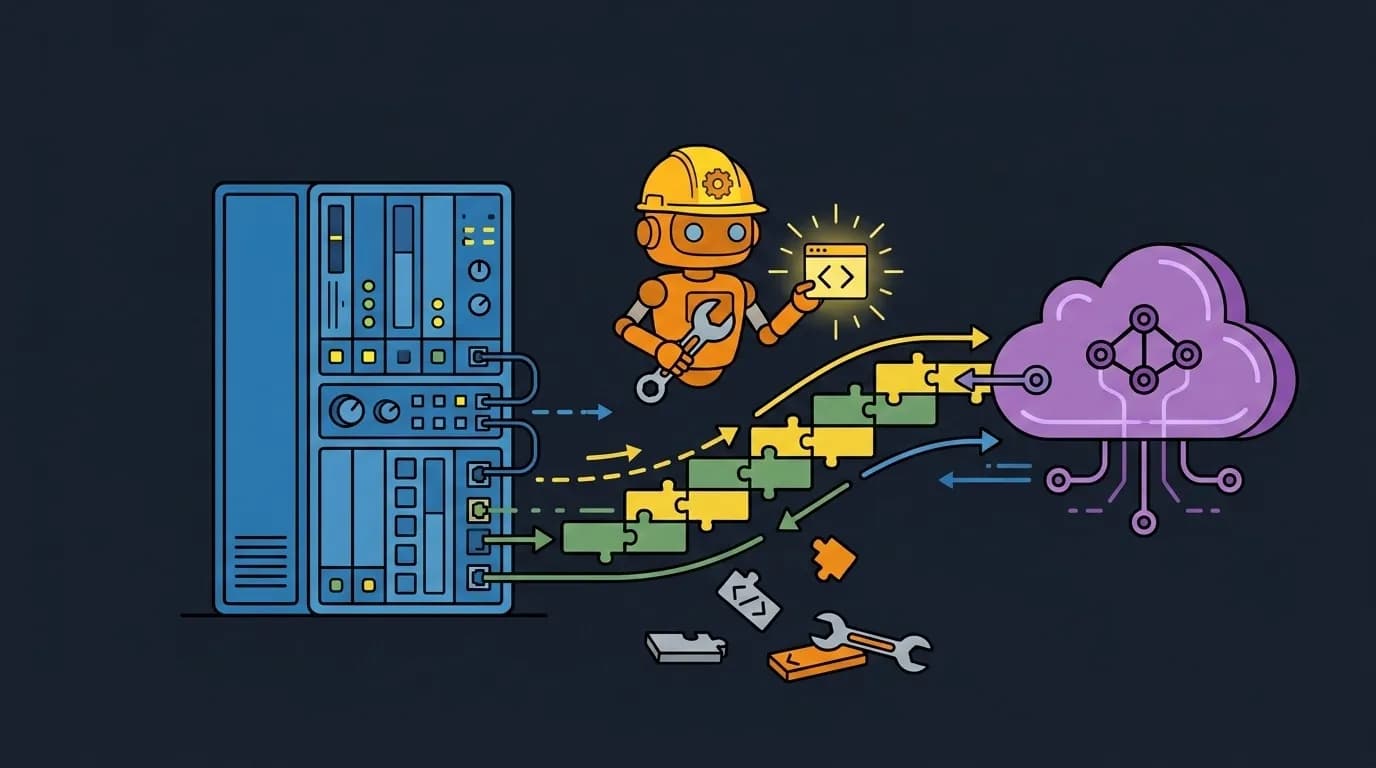
Integration is the hardest problem
MCP standardized tool communication for modern APIs. But most enterprise systems predate MCP and always will. Self-coding agents that synthesize integration code at runtime are the only scalable solution.
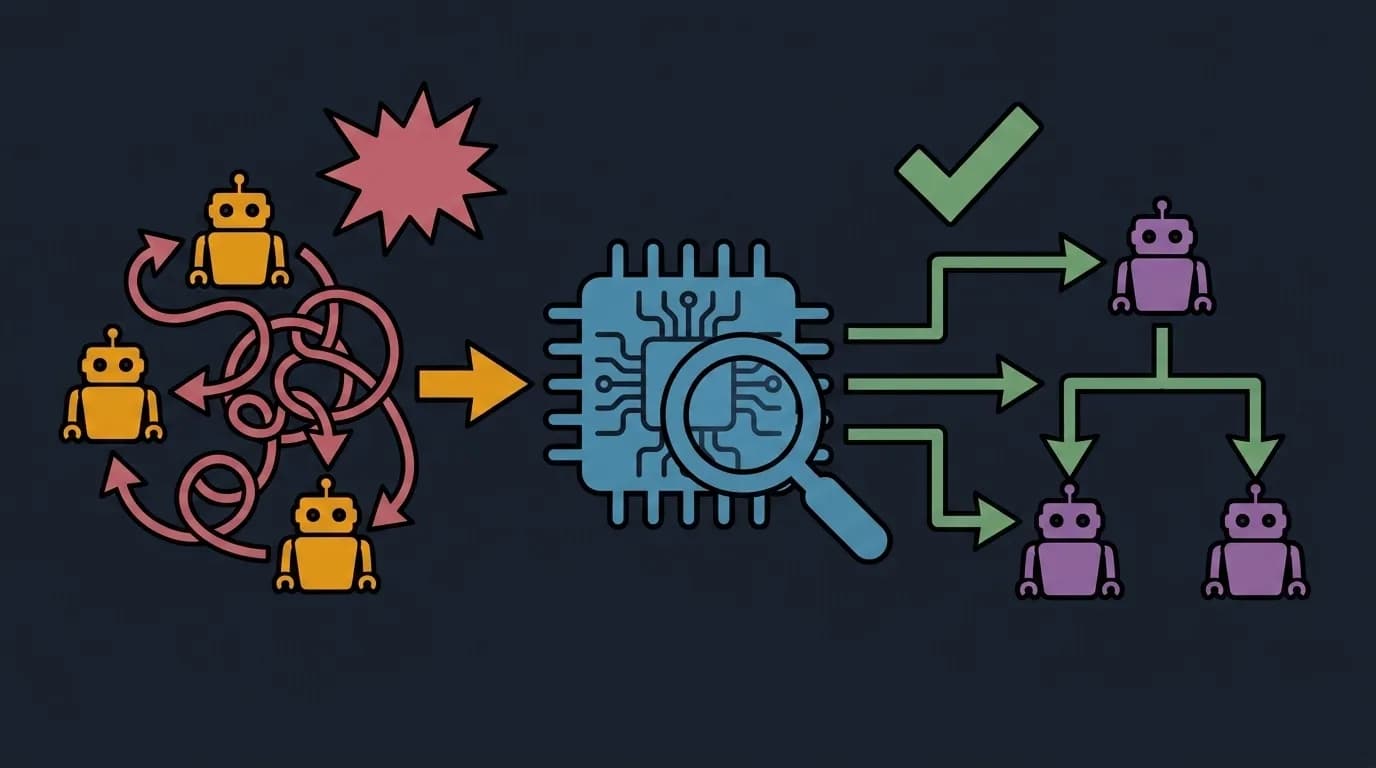
Multi-agent systems need a compiler
Hand-designed multi-agent systems fail in predictable ways: prompt contradictions, handoff loops, semantic drift. The Meta-Agent is the first system that treats agent architecture design as a verification problem - catching failures before deployment, not after.
Future Directions
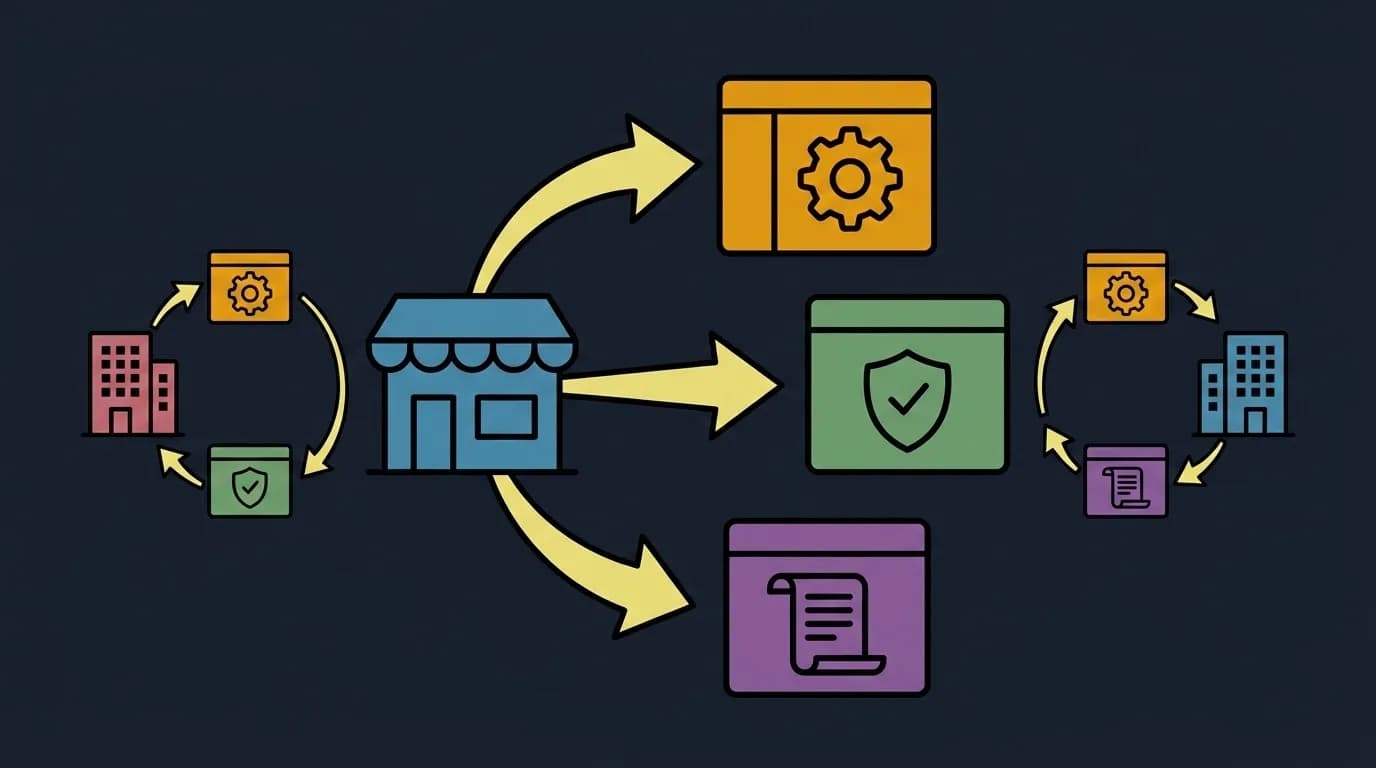
Meta-Agent Marketplace
Enterprises share and trade Meta-Agent-generated system templates. A library of pre-validated agentic architectures for common patterns - procurement, incident management, contract review - accelerating adoption across industries.
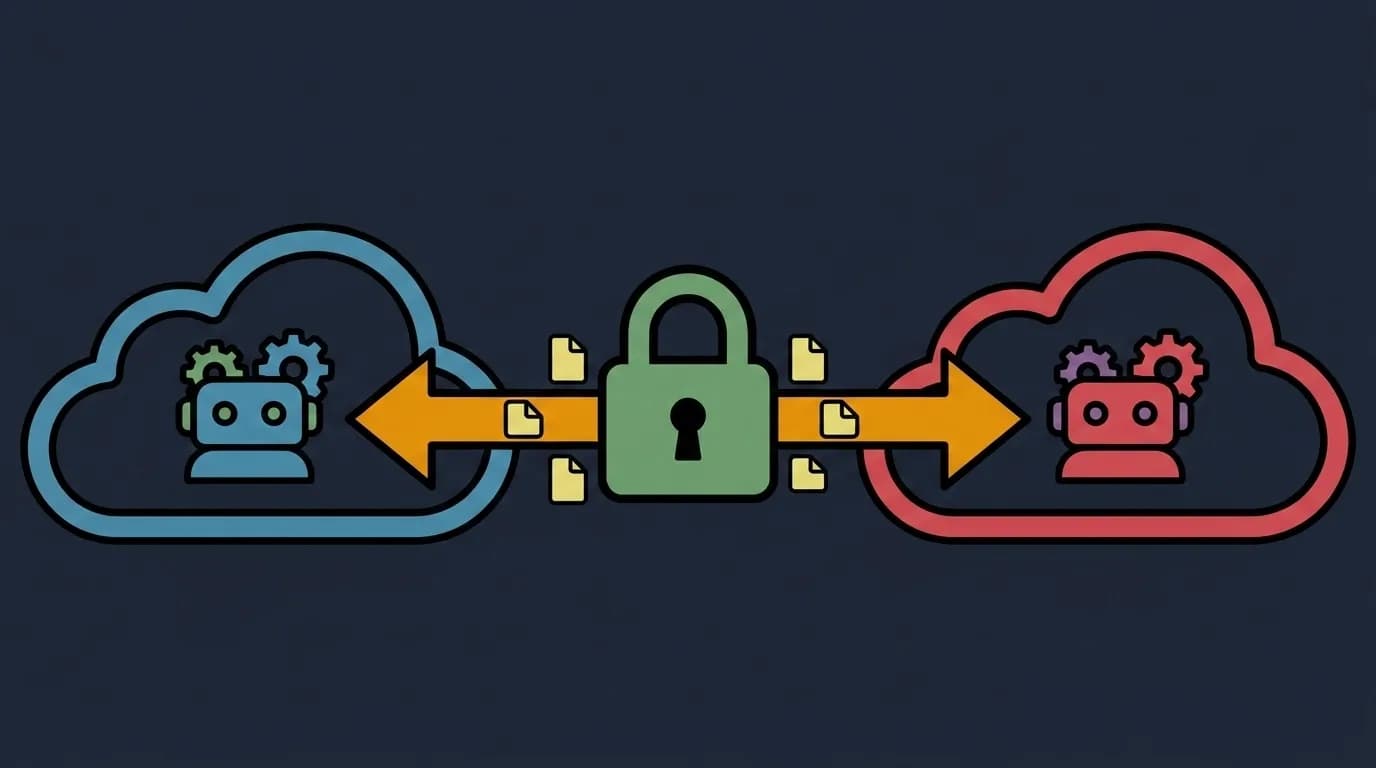
Federated Agent Networks
Zenera-built agent systems in different enterprises collaborate via A2A protocols while preserving data sovereignty. A supplier's inventory agent communicates with a buyer's procurement agent, each running on separate Zenera instances.
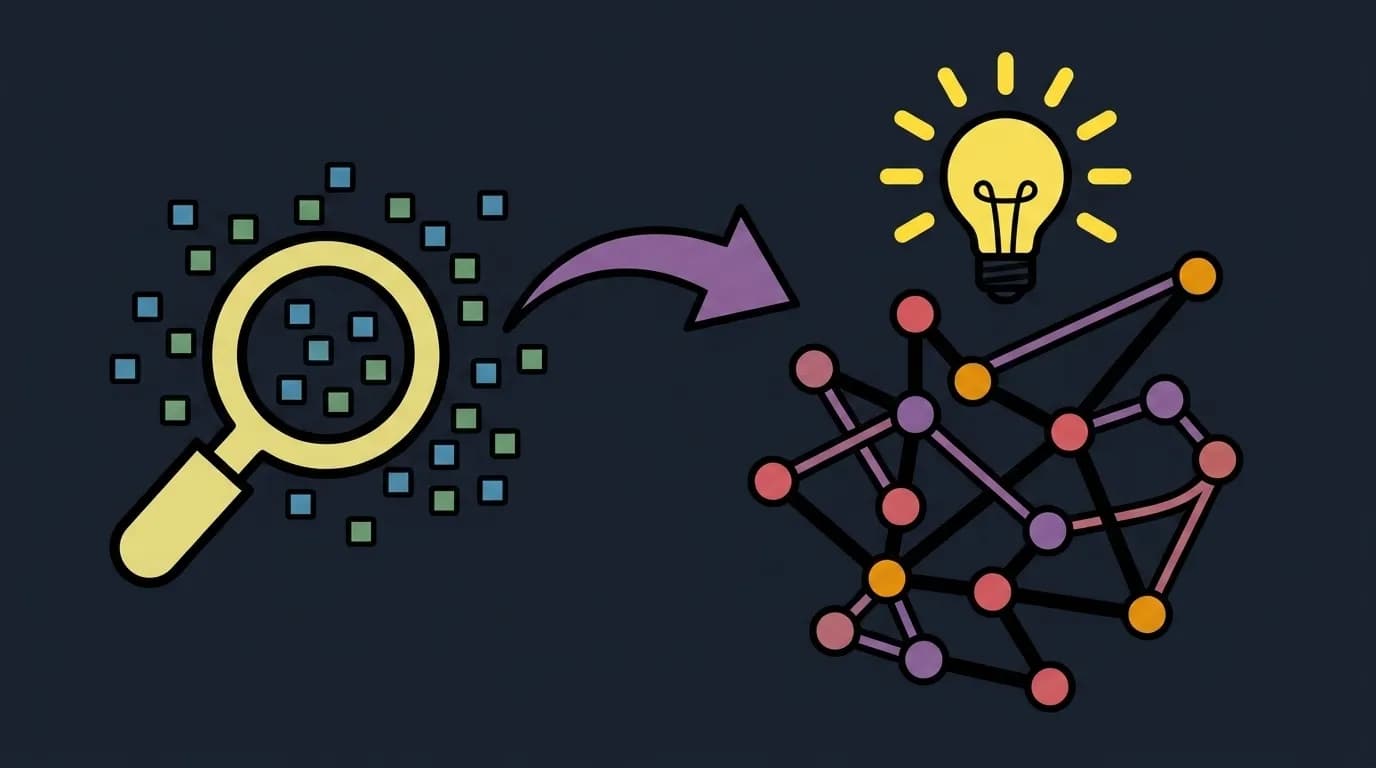
Autonomous Architecture Search
The Meta-Agent goes beyond incremental evolution to discover entirely new agent topologies from production data - architectures no human would design, optimized through trajectory analysis.
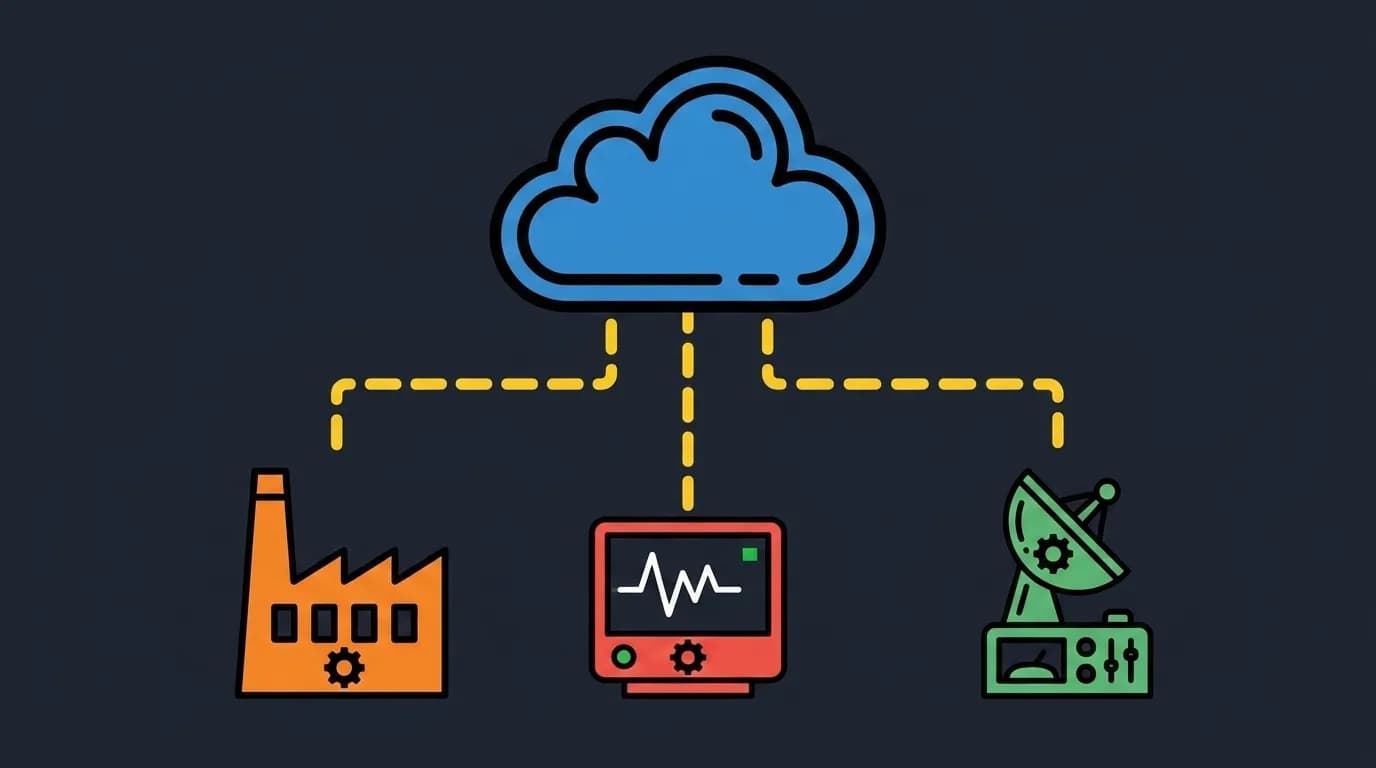
Edge Deployment
Zenera-built agents running on constrained devices - factory floors, medical devices, field equipment - with local models and intermittent connectivity.
See Why Enterprises Choose Zenera
Discover how the Meta-Agent platform replaces fragmented AI tools with a single, governed, self-improving system.
Request a Demo